


NICE offers an intensive training program for body-oriented therapists who wish to develop themselves as supervisors for students.
This training supports participants in building a solid and reflective supervisory practice. It focuses on developing key supervisory competencies, including:
- Understanding and integrating different perspectives on supervision
- Creating and maintaining a safe, supportive learning and working environment
- Recognising and working with the different phases of the supervisory process
- Developing awareness of internal dialogue and its impact on supervision
- Working with (non-verbal) transference and countertransference
- Identifying parallel processes between therapy and supervision
- Recognising common pitfalls and navigating dilemmas
- Working ethically, with clear boundaries and professional responsibility
- Cultivating openness to reflection, feedback, and consultation
The training combines theoretical grounding with experiential learning, enabling supervisors to work with clarity, sensitivity, and depth in their role.
SUBJECTS ADDRESSED
During the training, the following topics are explored:
- The nature of supervision: defining supervision within body-oriented psychotherapy
- Supervision as a learning process, including the context in which learning takes place
- Learning goals and the phasing of the supervisory process
- Attitude, learning styles, and working relationships, including the supervisor–supervisee relationship
- Character structure and its influence on both supervisor and supervisee
- Ethics, boundaries, and professional responsibility
- Reflection and self-assessment as awareness-raising processes for the supervisor
- Live supervision and working with material in the moment
- Recognising pitfalls and understanding parallel processes
- Body-oriented supervision methods and techniques
ENTRY REQUIREMENTS
This training is open to certified body-oriented psychotherapists (Core Energetics or another body-oriented psychotherapy modality) who:
- Work at least ten hours per week in their own practice
- Have a minimum of four years of professional experience
- Have a solid foundation in body-oriented therapeutic work
Participants are expected to bring case material from their own practice and to engage in peer supervision during the training. This includes being supervised by another participant.
The training requires a high level of motivation, commitment, and willingness to show oneself in one’s therapeutic work, including openness to reflection, feedback, and vulnerability.
DIDACTIC METHODS
The training makes use of a variety of didactic methods, including:
- Bringing in your own case material, both written and recorded
- Reading, presenting, and discussing relevant literature
- Reflection exercises, including experiential methods such as role play
- Peer supervision and live supervision within the group
- Writing reflective reports to support integration and learning
- We will bring in clients for sessions and the therapist will be supervised live
LEARNING OUTCOMES AND ASSESSMENT
Supervision is a continuous work in progress. By the end of the training, participants are expected to be able to:
- Design and structure a coherent supervisory process
- Work from a consistent and methodical supervisory approach
- Reflect on the different layers of the supervisory relationship
- Recognise dilemmas, (non-verbal) transference and countertransference, and parallel processes
- Develop and articulate a personal supervisory style, documented in a vision paper
ASSESSMENT
The training concludes with a final assessment. Upon completion, participants receive a certificate of participation.
TEACHERS

ANNA TIMMERMANS holds a master degree in social work; her masters was about Traumas of women. She started to teach and supervise at the Master’s degree in 1982, it was also the year she started her private practice. In 1992 she became a trainer in Bio-energetics and became a student at Core energetics. She started NICE at 2005 and was director till 2025. Educate therapists is her passion, either by teaching or supervising them. She has a strong opinion how many supervision sessions a student needs to do for graduation and part of these sessions needs to be life sessions where the supervisor is present in the room. She is still dedicated in building a strong foundation for Core Energetics by training this new generation of supervisors.

WARREN MOE is a Clinical Psychologist and senior Core Energetic instructor with a longstanding focus on practitioner development. Trained at the institute of Core Energetics under John Pierrakos in the 90’s, he has maintained a private practice while specializing in clinical supervision of students, emerging and established practitioners. Warren teaches supervision within Core Energetic training programs, emphasizing ethical practice, embodied therapeutic presence, and the integration of somatic and psychodynamic methods. He provides supervision and mentoring to support students in building clinical competence, confidence, and professional identity. As a dedicated educator and supervisor, Warren is committed to fostering skilled, grounded, and attuned practitioners.
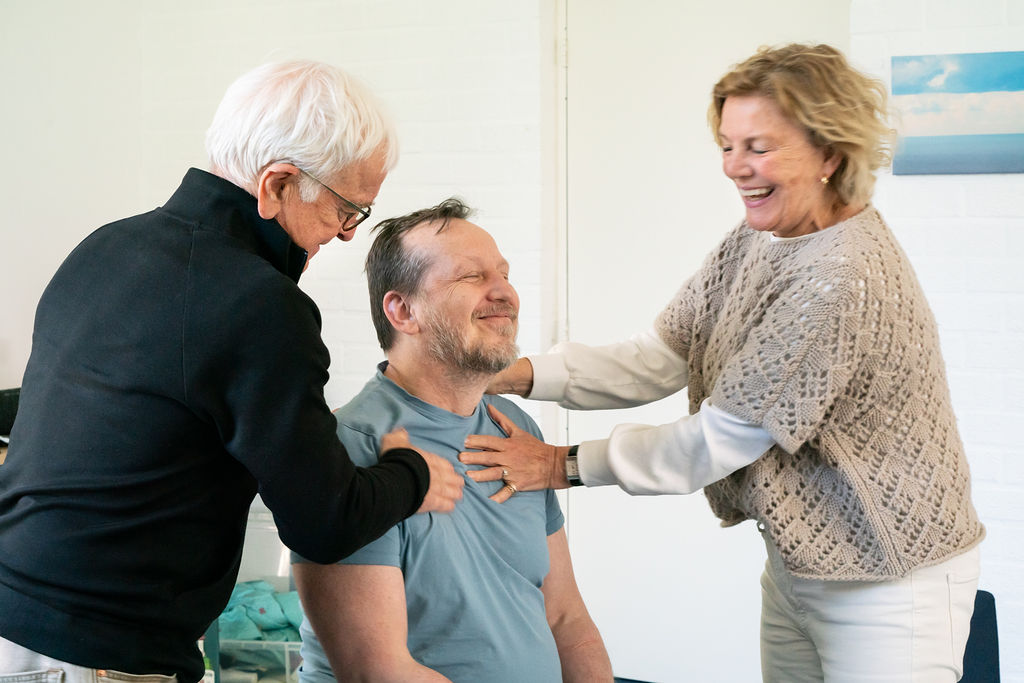

TEACHERS
Anna Timmermans
Warren Moe
VENUE
EIGENTIJDSERF in Westelbeers, The Netherlands
LANGUAGE
English
DATES
9 -14 October 2026
COSTS
Tuition fee: € 2.250
Accommodation fee: TBA
LITERATURE
Joyce Scaife: Supervision in clinical practice. A practitioner’s guide.
EAN: 9781138651883
APPLICATION
Please fill out and submit this form. Anna Timmermans will contact you.